
The ICC Men’s T20 World Cup 2026 produced outstanding bowling performances, with Jasprit Bumrah and Varun Chakravarthy finishing as the joint-leading wicket-takers with 14 wickets each. Bumrah’s four-wicket spell in the final helped India defeat New Zealand by 96 runs in Ahmedabad on 8 March 2026. India became the first team to defend the men’s T20 World Cup title.
Shadley van Schalkwyk, Blessing Muzarabani and Adil Rashid finished next with 13 wickets apiece. This article covers the leading wicket-takers, their best bowling performances and the tournament’s most impressive spells.
Top 12 Bowlers in T20 World Cup 2026
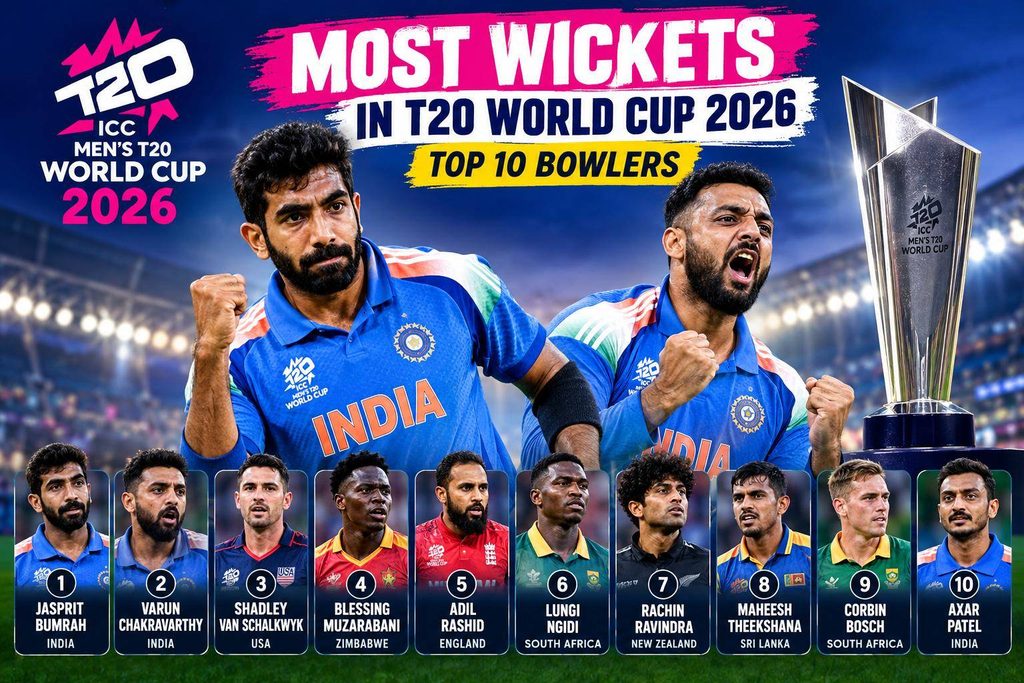
The final bowling statistics show how several players made an impact throughout the competition.
| Rank | Player | Team | Wickets |
| 1 | Jasprit Bumrah | India | 14 |
| 2 | Varun Chakravarthy | India | 14 |
| 3 | Shadley van Schalkwyk | USA | 13 |
| 4 | Blessing Muzarabani | Zimbabwe | 13 |
| 5 | Adil Rashid | England | 13 |
| 6 | Lungi Ngidi | South Africa | 12 |
| 7 | Rachin Ravindra | New Zealand | 12 |
| 8 | Maheesh Theekshana | Sri Lanka | 11 |
| 9 | Corbin Bosch | South Africa | 11 |
| 10 | Axar Patel | India | 11 |
| 11 | Jofra Archer | England | 11 |
| 12 | Marco Jansen | South Africa | 11 |
Four-Wicket Hauls Among the Top Wicket-Takers
The leading wicket-takers also produced several impressive individual bowling performances during the T20 World Cup 2026. Jasprit Bumrah recorded the best figures among the leading wicket-takers, taking four wickets for 15 runs.
| Player | Team | Best Bowling Figures |
| Jasprit Bumrah | India | 4/15 |
| Blessing Muzarabani | Zimbabwe | 4/17 |
| Marco Jansen | South Africa | 4/22 |
| Shadley van Schalkwyk | USA | 4/25 |
| Rachin Ravindra | New Zealand | 4/27 |
| Lungi Ngidi | South Africa | 4/31 |
These performances highlight how the leading bowlers combined wicket-taking ability with effective spells to restrict opposition teams.
Top 12 Wicket-Takers in T20 World Cup 2026
1. Jasprit Bumrah – India
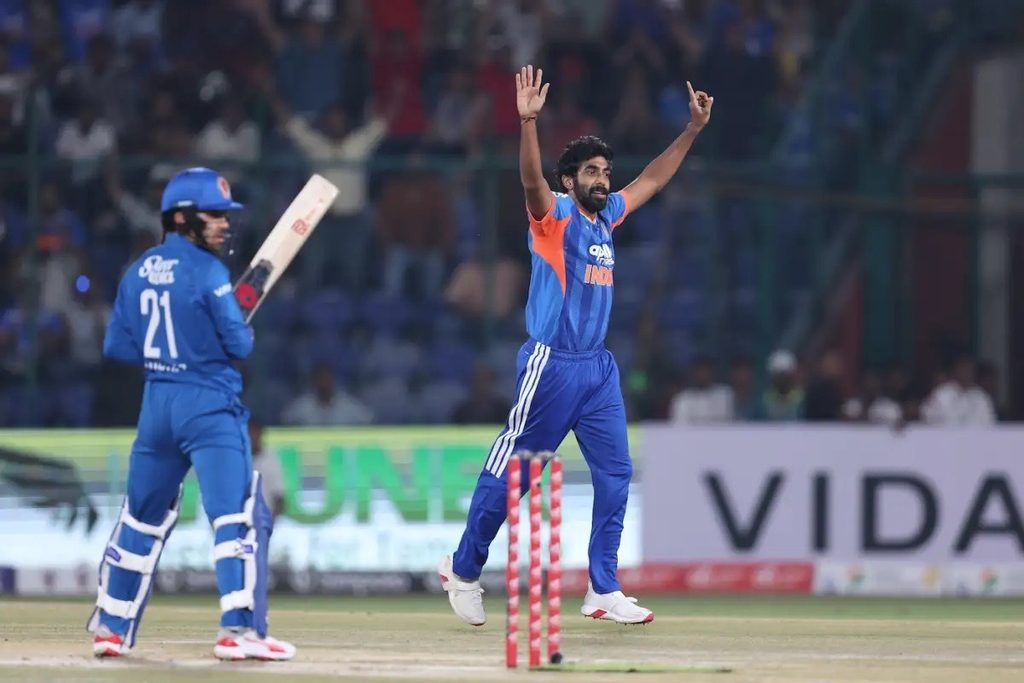
Jasprit Bumrah finished the 2026 T20 World Cup as one of the tournament’s leading bowlers, taking 14 wickets in eight matches. His accurate bowling, ability to deliver yorkers and control during pressure situations made him an important part of India’s bowling attack.
Bumrah also recorded best bowling figures of 4/15 in the tournament. His performance helped India maintain pressure on opposition batters and take wickets at key stages of matches.
2. Varun Chakravarthy – India
Varun Chakravarthy also claimed 14 wickets to finish level with Bumrah at the top of the wicket-taking standings. The Indian spinner used variations in pace and length to challenge batters and create opportunities for dismissals.
Chakravarthy played nine matches and recorded best bowling figures of 3/7. His wicket tally demonstrated his importance to India’s spin attack throughout the competition.
3. Shadley van Schalkwyk – USA
Shadley van Schalkwyk was among the standout bowlers for the United States, taking 13 wickets in four matches. His ability to make an impact in a limited number of appearances helped him finish among the leading wicket-takers.
He recorded best bowling figures of 4/25 and maintained an economical approach in several spells. His performances were a significant highlight of the USA’s campaign.
4. Blessing Muzarabani – Zimbabwe
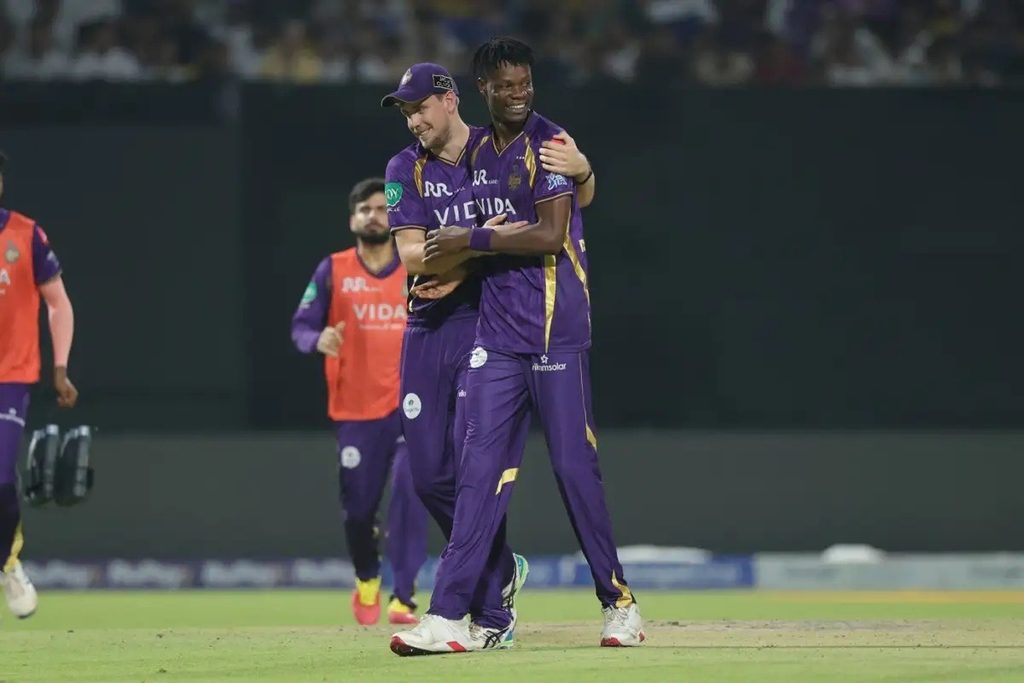
Blessing Muzarabani finished with 13 wickets for Zimbabwe. The fast bowler used his height and pace to create difficulties for opposition batters and deliver important breakthroughs.
Muzarabani played six matches and recorded best bowling figures of 4/17. His wicket-taking ability made him one of the most effective fast bowlers in the tournament.
5. Adil Rashid – England
Adil Rashid took 13 wickets for England, finishing level with van Schalkwyk and Muzarabani. His leg-spin provided England with an important option in the middle overs, when controlling the scoring rate and breaking partnerships can influence a T20 match.
Rashid’s best bowling figures were 3/36. His experience and variations made him a key part of England’s bowling plans during the competition.
6. Lungi Ngidi – South Africa
Lungi Ngidi claimed 12 wickets for South Africa to finish among the tournament’s leading bowlers. His pace and changes of delivery helped him challenge batters in different phases of the innings.
Ngidi recorded best bowling figures of 4/31. His performances contributed to South Africa’s bowling effort and placed him among the leading wicket-takers of the 2026 edition.
7. Rachin Ravindra – New Zealand
Rachin Ravindra also finished with 12 wickets for New Zealand. His left-arm spin gave the team another bowling option, allowing them to vary their attack and target batters during important overs.
Ravindra recorded best bowling figures of 4/27. His wicket tally put him level with Ngidi in the tournament’s final standings.
8. Maheesh Theekshana – Sri Lanka
Maheesh Theekshana took 11 wickets for Sri Lanka in the 2026 T20 World Cup. Known for his variations and controlled off-spin, he provided Sri Lanka with a useful option for breaking partnerships.
His best bowling figures were 3/23. Theekshana’s performance placed him among the bowlers who finished the tournament with double-digit wicket totals.
9. Corbin Bosch – South Africa
Corbin Bosch finished the tournament with 11 wickets for South Africa. His right-arm pace and ability to contribute in different phases of an innings made him a useful member of the team’s bowling attack.
Bosch recorded best bowling figures of 3/12. He was one of five bowlers who finished with 11 wickets, alongside Maheesh Theekshana, Axar Patel, Jofra Archer and Marco Jansen.
10. Axar Patel – India
Axar Patel claimed 11 wickets for India in the 2026 tournament. His left-arm spin helped India maintain control in the middle overs and provided another bowling option alongside Varun Chakravarthy.
Axar recorded best bowling figures of 3/27 during the tournament. His wicket tally placed him among the leading bowlers of the competition, level with Maheesh Theekshana, Corbin Bosch, Jofra Archer and Marco Jansen.
11. Jofra Archer – England
Jofra Archer claimed 11 wickets for England in eight matches during the T20 World Cup 2026. His pace and ability to bowl in the powerplay and at the death gave England another option in different phases of the innings.
Archer recorded best bowling figures of 2/20. Although his wicket tally matched several other bowlers, he finished behind them in the individual rankings.
12. Marco Jansen – South Africa
Marco Jansen took 11 wickets for South Africa in six matches at the T20 World Cup 2026. His left-arm pace and ability to generate bounce made him an important part of South Africa’s bowling attack.
Jansen recorded best bowling figures of 4/22. He was one of the six bowlers in the four-wicket-haul table and completed the tournament among the leading wicket-takers.
Frequently Asked Questions
Jasprit Bumrah and Varun Chakravarthy of India were the joint-leading wicket-takers, with 14 wickets each.
Jasprit Bumrah took 14 wickets in eight matches.
Varun Chakravarthy finished with 14 wickets in nine matches.
Shadley van Schalkwyk led the USA’s bowling figures with 13 wickets in four matches.
Shadley van Schalkwyk, Blessing Muzarabani and Adil Rashid each took 13 wickets
Final Thoughts
The T20 World Cup 2026 highlighted the importance of effective bowling in the shortest international format. Jasprit Bumrah and Varun Chakravarthy led the final wicket-taking standings with 14 wickets each, while Shadley van Schalkwyk, Blessing Muzarabani and Adil Rashid finished close behind with 13 wickets.
The tournament also featured valuable contributions from Lungi Ngidi, Rachin Ravindra and several other bowlers. Their performances showed how taking wickets at the right time can influence matches and help teams compete at the highest level.