
Cricket history has produced legendary bowlers who dominated batters through pace, swing, spin, accuracy, and tactical intelligence. From Muttiah Muralitharan’s off spin and Shane Warne’s leg breaks to Wasim Akram’s reverse swing, these players created records that continue to shape discussions about the greatest bowler in cricket history.
Muttiah Muralitharan leads the international wicket charts with 1,347 wickets across Test, ODI, and T20I cricket. However, total wickets alone cannot determine who was the best bowler. Bowling average, strike rate, match winning performances, playing conditions, and the quality of opposition also matter when comparing legends from different generations.
Top 10 Best Bowlers in Cricket History
The following table ranks the top 10 bowlers by their career international wickets across Test matches, One Day Internationals, and Twenty20 Internationals. The career totals are based on records through 15 August 2026.
The bowling average and strike rate columns refer specifically to Test cricket. The bowling average measures runs conceded per wicket, while the strike rate measures the number of deliveries required to take a wicket. Lower figures generally indicate greater efficiency.
| Rank | Player | Country | Test Wickets | ODI Wickets | T20I Wickets | Total Wickets | Test Average | Test Strike Rate |
| 1 | Muttiah Muralitharan | Sri Lanka | 800 | 534 | 13 | 1,347 | 22.72 | 55.0 |
| 2 | Shane Warne | Australia | 708 | 293 | 0 | 1,001 | 25.41 | 57.4 |
| 3 | James Anderson | England | 704 | 269 | 18 | 991 | 26.45 | 56.9 |
| 4 | Anil Kumble | India and Asia XI | 619 | 337 | 0 | 956 | 29.65 | 65.9 |
| 5 | Glenn McGrath | Australia | 563 | 381 | 5 | 949 | 21.64 | 51.9 |
| 6 | Wasim Akram | Pakistan | 414 | 502 | 0 | 916 | 23.62 | 54.6 |
| 7 | Stuart Broad | England | 604 | 178 | 65 | 847 | 27.68 | 56.1 |
| 8 | Shaun Pollock | South Africa | 421 | 393 | 15 | 829 | 23.11 | 57.8 |
| 9 | Waqar Younis | Pakistan | 373 | 416 | 0 | 789 | 23.56 | 43.4 |
| 10 | Tim Southee | New Zealand | 391 | 221 | 164 | 776 | 30.26 | 57.8 |
Note: Anil Kumble’s international total includes three ODI wickets taken while representing Asia XI. Shane Warne’s T20I column is zero because he did not take any wickets in that international format. The ranking measures longevity and career wicket volume, not an absolute verdict on bowling ability.
1. Muttiah Muralitharan
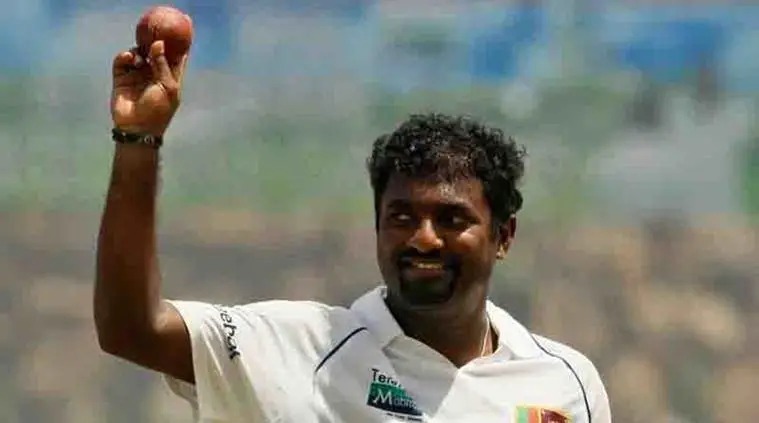
Source: The Indian Express
Muttiah Muralitharan is the leading wicket taker in international cricket history, with 800 Test wickets and 534 ODI wickets. His ability to vary flight, spin, and pace made him exceptionally difficult to face, particularly on turning pitches.
He retired from international cricket in 2011 with 1,347 wickets. His Test bowling average of 22.72 also demonstrates his effectiveness beyond sheer longevity, strengthening his statistical claim as the greatest bowler in cricket history.
2. Shane Warne
Shane Warne finished his international career with 1,001 wickets, including 708 in Tests and 293 in ODIs. The Australian leg spinner combined sharp turn, flight, and tactical awareness to challenge batters in almost every condition.
His Test average of 25.41 reflects sustained success across a long career. Warne’s famous 1993 Ashes delivery to Mike Gatting remains one of the most celebrated moments in cricket history.
3. James Anderson
James Anderson claimed 704 Test wickets, 269 ODI wickets, and 18 T20I wickets, finishing with 991 international wickets. His swing bowling, seam movement, and control made him one of England’s most successful fast bowlers.
Anderson played international cricket for more than two decades before retiring from Test cricket in 2024. His Test average of 26.45 and strike rate of 56.9 reflect his consistency and ability to remain effective across changing conditions.
4. Anil Kumble
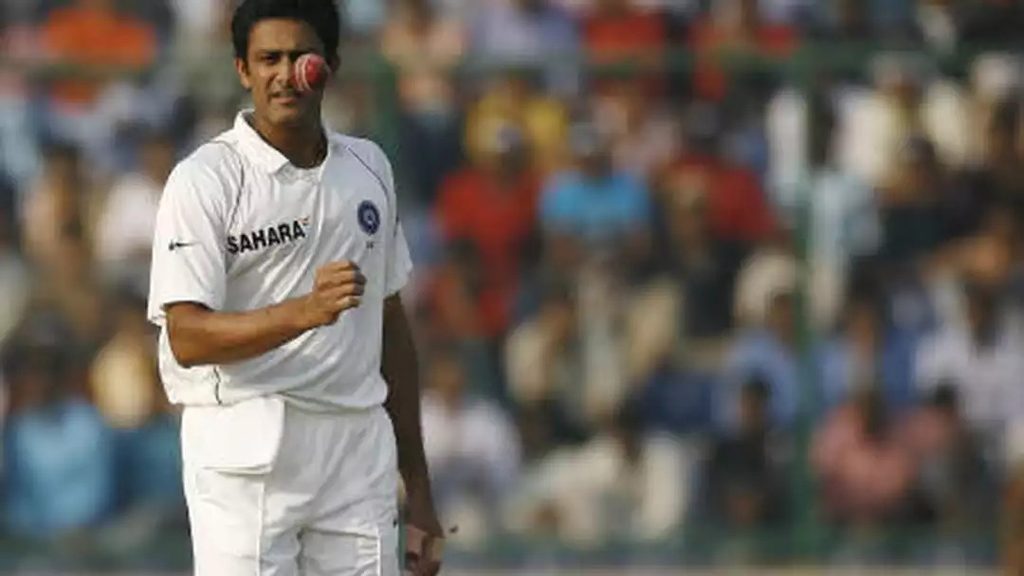
Source: NDTV News
Anil Kumble collected 619 Test wickets and 337 ODI wickets, including three ODI wickets for Asia XI, for a combined international total of 956. The Indian leg spinner relied on accuracy, bounce, and relentless pressure rather than depending exclusively on sharp turn.
His most famous achievement came against Pakistan in 1999, when he took all 10 wickets in a Test innings. Although his Test average was 29.65, his outstanding wicket tally and match winning performances established him as one of India’s greatest bowlers.
5. Glenn McGrath
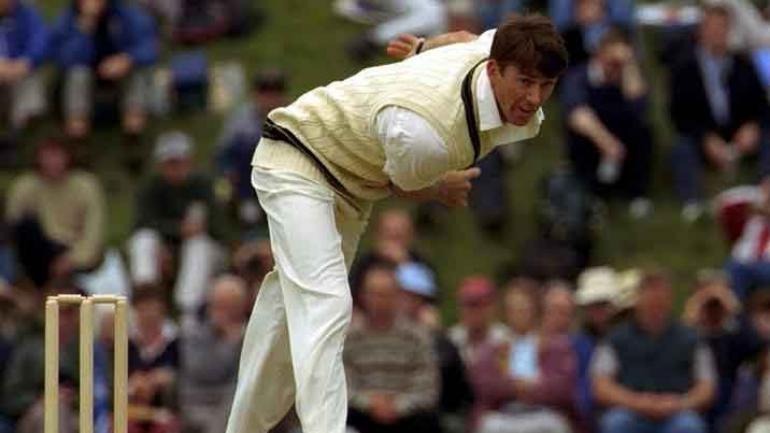
Source: India Today
Glenn McGrath finished with 949 international wickets, including 563 in Tests, 381 in ODIs, and five in T20Is. His disciplined line, consistent length, and ability to exploit small weaknesses made him one of the most effective fast bowlers of his generation.
McGrath’s Test average of 21.64 and strike rate of 51.9 compare favourably with those of many bowlers who claimed more wickets in individual formats. His performances also played a major role in Australia’s dominant period and its World Cup successes.
6. Wasim Akram
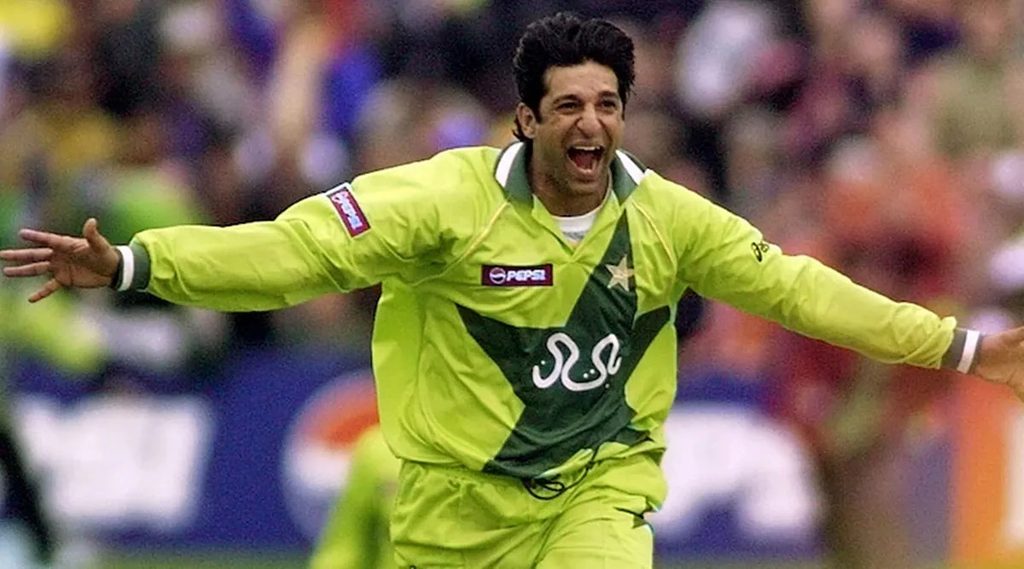
Source: The Indian Express
Wasim Akram claimed 916 international wickets, including 414 in Tests and 502 in ODIs. The Pakistani left arm fast bowler was renowned for swinging the ball both ways and producing dangerous reverse swing with the older ball.
His Test average of 23.62 highlights his effectiveness in the longest format. Akram also played a crucial role in Pakistan’s 1992 World Cup triumph and remains one of the leading candidates in any discussion of the greatest fast bowler in cricket history.
7. Stuart Broad
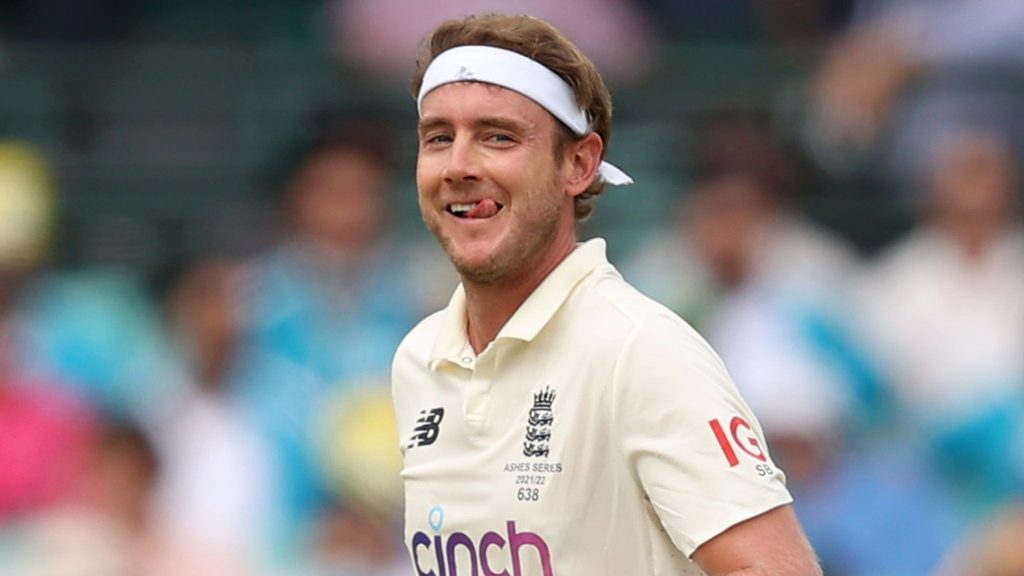
Source: Sky Sports
Stuart Broad finished his career with 847 international wickets, including 604 Test wickets, 178 ODI wickets, and 65 T20I wickets. His height, seam movement, and ability to produce devastating spells made him a key member of England’s bowling attack.
Broad’s Test average of 27.68 came alongside numerous decisive performances in the Ashes. His longevity and ability to deliver under pressure secured his place among England’s most successful fast bowlers.
8. Shaun Pollock
Shaun Pollock claimed 829 international wickets, comprising 421 in Tests, 393 in ODIs, and 15 in T20Is. The South African combined accurate seam bowling with control and consistency, regularly restricting scoring opportunities while creating wicket taking chances.
His Test average of 23.11 underlines his efficiency in the longest format. Pollock also captained South Africa and contributed valuable lower order runs, making him an important figure in the country’s international cricket history.
9. Waqar Younis
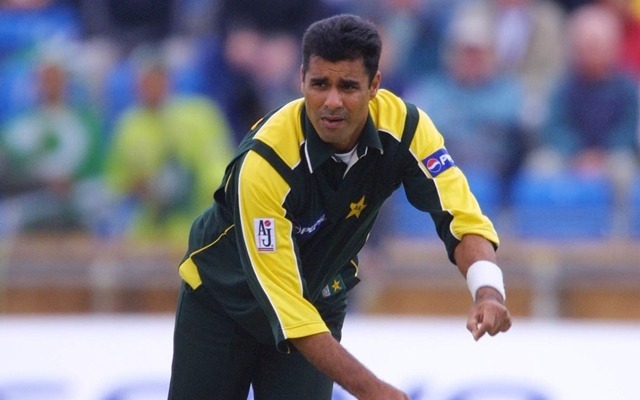
Source: Crictracker
Waqar Younis finished with 789 international wickets, including 373 in Tests and 416 in ODIs. He was known for his exceptional pace, late reverse swing, and toe crushing yorkers, which made him particularly dangerous against batters playing aggressively.
His Test strike rate of 43.4 demonstrates how frequently he took wickets when compared with several other leading bowlers. Alongside Wasim Akram, Waqar formed one of the most feared fast bowling partnerships in international cricket.
10. Tim Southee
Tim Southee collected 776 international wickets, with 391 in Tests, 221 in ODIs, and 164 in T20Is. His swing bowling, changes of pace, and ability to exploit movement made him one of New Zealand’s most successful bowlers across formats.
His Test average of 30.26 is higher than those of several bowlers above him, but his international wicket total reflects sustained contributions across three formats. Southee also played an important role in New Zealand’s rise as a consistent competitor in major international tournaments.
Why Wicket Totals Alone Do Not Determine the Greatest Bowler?
International wicket totals reward longevity, availability, and sustained performance. They do not fully capture bowling quality, the difficulty of the conditions, the strength of the opposition, or the impact of a bowler in a decisive match.
Malcolm Marshall, Dennis Lillee, Richard Hadlee, Curtly Ambrose, and Sydney Barnes demonstrate why the debate extends beyond the top 10 by career wickets.
| Bowler | Test Wickets | Test Bowling Average | Why He Deserves Recognition |
| Malcolm Marshall | 376 | 20.94 | Exceptional pace, movement, and accuracy |
| Dennis Lillee | 355 | 23.92 | Aggressive fast bowling and sustained impact |
| Richard Hadlee | 431 | 22.29 | Outstanding wicket taking ability and consistency |
| Curtly Ambrose | 405 | 20.99 | Steep bounce, accuracy, and match winning spells |
| Sydney Barnes | 189 | 16.43 | Remarkable historical Test bowling average |
Malcolm Marshall took 376 Test wickets at an average of 20.94, while Curtly Ambrose claimed 405 at 20.99. Both records illustrate how a fast bowler can achieve outstanding results without accumulating the same career volume as a player who competes for longer.
Sydney Barnes is another important example. His 189 Test wickets came at an exceptional average of 16.43, although his career took place in a very different era. Richard Hadlee’s 431 wickets at 22.29 and Dennis Lillee’s 355 wickets further demonstrate why averages, strike rates, match impact, and historical context should be considered alongside totals.
Jasprit Bumrah also deserves consideration among modern greats because of his Test wicket taking efficiency and performances across different conditions. Consequently, the best bowler in history depends partly on whether the comparison prioritises career volume, peak performance, statistical efficiency, or the ability to change a match.
Who Is the World Best Bowler in Cricket History?
Muttiah Muralitharan is the strongest statistical choice when total international wickets are used as the primary measure. His 1,347 wickets, including the records for most Test and ODI wickets, place him ahead of every other bowler in the career totals ranking.
However, Glenn McGrath’s Test average of 21.64 and Malcolm Marshall’s 20.94 show why efficiency also matters. There is no universally accepted winner across all eras and formats. Muralitharan leads on career volume, while Marshall, Lillee, Hadlee, Ambrose, and other legends strengthen the case for different measures of greatness.
Muttiah Muralitharan’s Bowling Action: What Happened?
Muttiah Muralitharan’s bowling action was one of the most discussed topics in cricket during his international career. His doosra delivery attracted particular scrutiny, leading to biomechanical testing and changes in how bowling actions were assessed.
- His bowling action was questioned, particularly when delivering the doosra, which turns opposite to his normal off break.
- In 2004, biomechanical testing at the University of Western Australia examined his elbow extension while bowling the doosra.
- The ICC introduced a uniform 15 degree elbow extension tolerance in November 2004, allowing Muralitharan to continue bowling the delivery under the revised regulations.
- Further testing in 2006 found that his doosra and off break remained within the permitted 15 degree limit.
- Muralitharan finished his international career with 800 Test wickets and 534 ODI wickets, cementing his place among cricket’s greatest bowlers.
Who Is the Best Bowler in the World Right Now?
The best bowler in the world today depends on the format because the ICC maintains separate Test, ODI, and T20I bowling rankings. These ratings reflect recent performances and are different from career wicket records.
In the ICC rankings available on 20 October 2026, Mitchell Starc held the No. 1 position in men’s Test bowling with 865 points, based on the Test ranking table last updated on 13 October. Rashid Khan led the men’s ODI bowling rankings with 742 points and the men’s T20I bowling rankings with 720 points, with both limited overs tables updated on 20 October.
Starc’s rise to the top followed his performances in Test cricket, while Rashid’s position across both limited overs formats reflects his continued effectiveness in white ball cricket. Since ICC rankings change as matches are played, readers should check the official ICC men’s player rankings for subsequent updates.
International Wicket Records: Near Misses Outside the Top 10
Ravichandran Ashwin and Chaminda Vaas narrowly miss the top 10 in this ranking. Both recorded more than 750 international wickets, demonstrating that the competition among the leading bowlers extends beyond the first 10 positions.
| Player | Test Wickets | ODI Wickets | T20I Wickets | Total Wickets |
| Ravichandran Ashwin | 537 | 156 | 72 | 765 |
| Chaminda Vaas | 355 | 400 | 6 | 761 |
Ashwin’s 765 wickets reflect his success as one of India’s leading spin bowlers, particularly in Test cricket. Vaas finished with 761 wickets and was renowned for his left arm swing bowling and consistency for Sri Lanka. Their totals place them just outside the top 10, ahead of several other celebrated international bowlers.
FAQs
Muttiah Muralitharan is the strongest statistical choice based on career international wickets. He finished with 1,347 wickets, including 800 in Tests and 534 in ODIs.
Muttiah Muralitharan holds the record with 1,347 international wickets across Test, ODI, and T20I cricket.
Muttiah Muralitharan holds the record with 800 Test wickets. Shane Warne follows with 708, while James Anderson finished his career with 704.
As of the ICC ranking update dated 20 October 2026, Rashid Khan ranked No. 1 in men’s ODI bowling with 742 points. Rankings can change after subsequent international matches.
There is no universally accepted winner. Malcolm Marshall, Wasim Akram, Glenn McGrath, Dennis Lillee, Richard Hadlee, and Curtly Ambrose are among the leading candidates. Their records differ in bowling average, strike rate, longevity, conditions, and match winning performances.
Malcolm Marshall took 376 Test wickets at an average of 20.94. His pace, movement, accuracy, and ability to trouble batters in different conditions made him one of the finest fast bowlers of his era.
Sydney Barnes recorded a Test bowling average of 16.43, while Malcolm Marshall averaged 20.94. Among the top 10 ranked by international wicket totals, Glenn McGrath had the lowest Test average at 21.64.
Conclusion
Muttiah Muralitharan stands at the top of international cricket’s career wicket records with 1,347 wickets. His 800 Test wickets, 534 ODI wickets, and Test bowling average of 22.72 provide a strong statistical case for calling him the world best bowler in cricket history when career volume is the main criterion.
Nevertheless, the debate is broader than a single ranking. Glenn McGrath’s efficiency, Malcolm Marshall’s exceptional Test average, Wasim Akram’s swing bowling, Sydney Barnes’s historical record, and the achievements of Hadlee, Lillee, and Ambrose show why greatness must be judged through several measures. For current performance, the ICC rankings provide a separate view, with Mitchell Starc leading Test bowling and Rashid Khan topping the ODI and T20I lists in the October 2026 updates discussed above.