
Cricket has produced many outstanding batters, but only a few have earned a reputation for finishing matches under pressure. A great finisher understands the required run rate, chooses the right deliveries to attack, and stays composed when a team needs runs in the final overs.
MS Dhoni is widely regarded as the greatest finisher in cricket history, particularly in One Day Internationals. His calm approach, successful run chases, and memorable performances in major tournaments set him apart. Michael Bevan, AB de Villiers, Kieron Pollard, and David Miller also built impressive reputations through their ability to turn difficult situations into victories.
Top 10 Best Finishers in Cricket History
The following list considers finishing ability, performances under pressure, successful chases, and contributions to major victories. The order is an editorial assessment because the ICC does not publish an official all time finisher ranking.
| Rank | Player | Country | Best Known For |
| 1 | MS Dhoni | India | Calculated ODI chases |
| 2 | Michael Bevan | Australia | Consistent ODI finishing |
| 3 | AB de Villiers | South Africa | Innovative stroke play |
| 4 | Kieron Pollard | West Indies | Powerful T20 hitting |
| 5 | David Miller | South Africa | Calm middle order batting |
| 6 | Andre Russell | West Indies | Explosive death overs batting |
| 7 | Hardik Pandya | India | Batting and bowling versatility |
| 8 | Glenn Maxwell | Australia | Counterattacking innings |
| 9 | Jos Buttler | England | Aggressive white ball batting |
| 10 | Lance Klusener | South Africa | Fast scoring under pressure |
Source: The Cricket Timelines, best finishers in the world and SportsMonkie, best finishers in cricket history. The rankings above are an editorial comparison, not an official ICC list.
1. MS Dhoni
MS Dhoni is the leading name in discussions about the best finisher in cricket history. His approach combined patience with calculated aggression. Rather than attacking every delivery, he often assessed the target, preserved wickets, and increased the scoring rate when the situation demanded it.
Dhoni also delivered on major occasions. His unbeaten 91 in the 2011 World Cup final helped India defeat Sri Lanka and win the trophy. He also captained India to the 2007 Men’s T20 World Cup and the 2013 Champions Trophy, strengthening his legacy as a batter and leader.
2. Michael Bevan
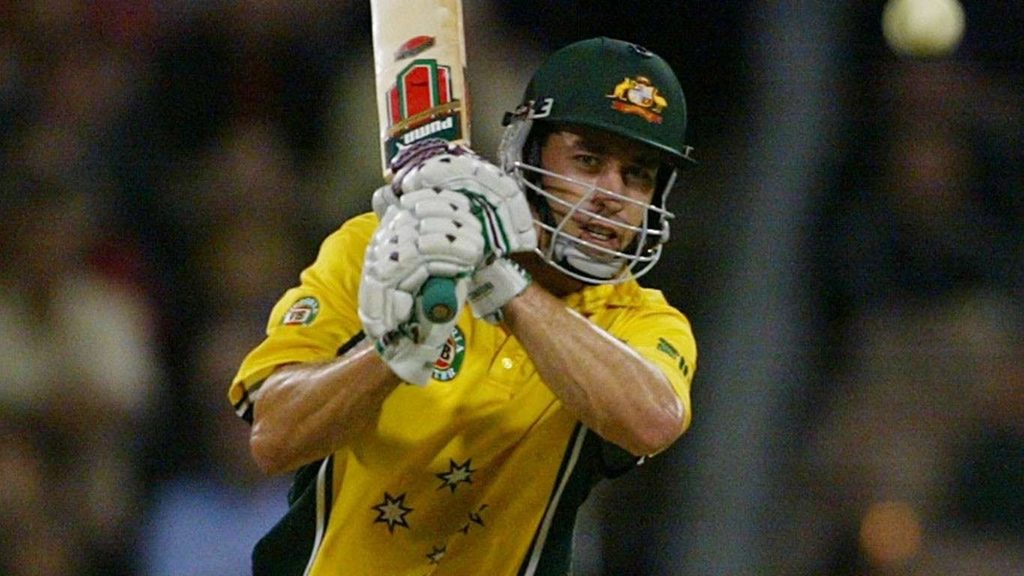
Source: Sports Australia
Michael Bevan was one of Australia’s most reliable ODI batters during the 1990s and early 2000s. He became famous for guiding difficult chases through intelligent strike rotation, precise placement, and an ability to find boundaries when the pressure increased.
Bevan’s finishing style differed from that of modern power hitters. He often relied on timing and decision making rather than constant big hitting. His consistency helped establish the specialist finisher as an important role in limited overs cricket.
3. AB de Villiers
AB de Villiers brought extraordinary versatility to finishing in limited overs cricket. The South African batter could score behind the wicket, through the covers, and over the boundary with a range of unconventional shots. His adaptability made it difficult for bowlers to defend a total or control a chase.
De Villiers also combined acceleration with the ability to build an innings. His performances for South Africa and in franchise cricket demonstrated how creative shot making could change a match within a few overs.
4. Kieron Pollard
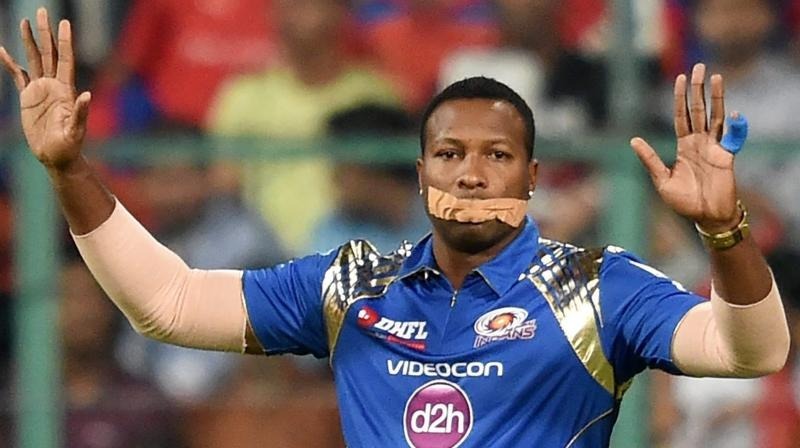
Source: Deccan Chronicle
Kieron Pollard became one of the most feared finishers in T20 cricket. The West Indies batter was known for his strength, ability to clear the boundary, and capacity to score quickly against both pace and spin. His experience in franchise tournaments made him particularly effective in the final overs.
Pollard could change a match with a short burst of aggressive batting. His role was often to maximise the final overs after the top order had established a platform, making him a major figure in T20 finishing.
5. David Miller
David Miller is recognised for his calm approach and powerful left handed batting. The South African has produced important performances in ODI and T20 cricket, particularly when his team has needed quick runs late in an innings.
Miller can build an innings before accelerating against the bowlers. His ability to handle pressure and target specific matchups makes him one of the most effective modern finishers in international cricket.
6. Andre Russell
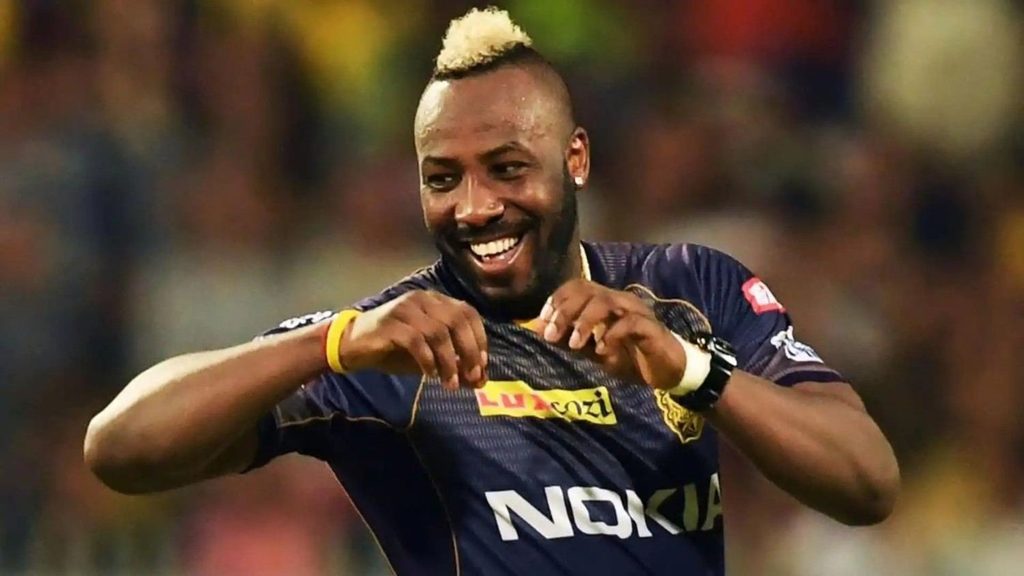
Source: NewsBytes
Andre Russell is known for his explosive power hitting in T20 cricket. The West Indies all rounder can clear the boundary repeatedly and change the required run rate in a matter of deliveries. His strength makes him especially dangerous during the final overs.
Russell’s finishing role is based on rapid scoring rather than long innings. He also contributes with the ball, giving his teams additional flexibility in franchise competitions and international T20 cricket.
7. Hardik Pandya
Hardik Pandya has become an important finishing option for India in limited overs cricket. He combines powerful batting with the ability to contribute as a fast bowling all rounder. His attacking approach can help a team recover from a slow middle phase or accelerate towards the end of an innings.
Pandya’s value comes from his flexibility. He can adjust his role according to the match situation, whether the team needs calculated batting in an ODI chase or rapid scoring in a T20 finish.
8. Glenn Maxwell
Glenn Maxwell is known for his innovative batting and ability to counterattack when a team needs momentum. The Australian can use unconventional shots to disrupt bowling plans and score quickly against spin and pace.
Maxwell has also shown that a finisher can influence a match before the final overs. His ability to rebuild an innings or launch a late attack makes him a versatile player in ODI and T20 cricket.
9. Jos Buttler
Jos Buttler is one of England’s most dangerous limited overs batters. His clean striking, wide range of shots, and ability to accelerate make him effective in both ODI and T20 cricket. He can take control of a chase or increase the scoring rate when batting first.
Buttler’s experience in international and franchise cricket has helped him develop a flexible approach. He can anchor an innings when needed and switch to aggressive hitting as the target or remaining overs demand.
10. Lance Klusener
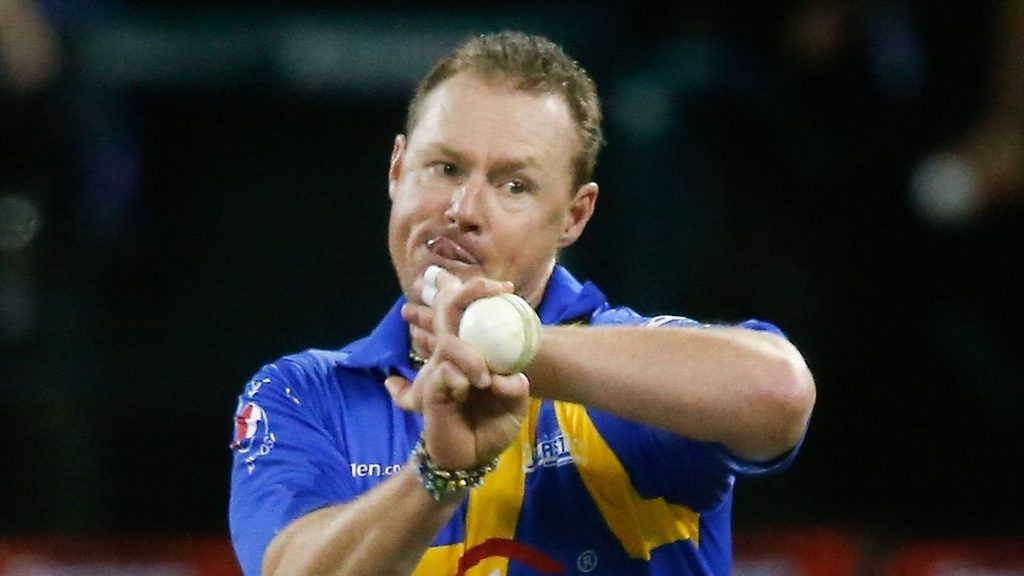
Source: Sky Sports
Lance Klusener was one of South Africa’s most effective ODI all rounders during the late 1990s. He combined powerful lower order batting with useful left arm fast medium bowling, making him a valuable player in close matches.
Klusener became particularly well known for his ability to score quickly under pressure. His performances during the 1999 World Cup demonstrated why a dependable lower order batter could have a major influence on a team’s tournament campaign.
Who Is the World No. 1 Finisher in Cricket History?
MS Dhoni of India is widely considered the world No. 1 finisher in cricket history. He scored 10,773 runs in ODIs at an average of 50.57 and played a decisive role in India’s 2011 Cricket World Cup triumph, scoring an unbeaten 91 in the final against Sri Lanka. His ability to control a chase, preserve wickets, and accelerate at the right moment makes him a leading choice for the title.
Why Is MS Dhoni Called the Best Finisher in the World?
Dhoni earned this reputation through his decision making, composure, and success in important matches. He often kept wickets in hand, judged the required rate carefully, and waited for the right opportunity to attack. This approach allowed him to guide India through difficult chases without relying on constant boundary hitting.
His unbeaten 91 in the 2011 World Cup final remains a defining example. Dhoni also won major international tournaments as captain, including the 2007 Men’s T20 World Cup and the 2013 Champions Trophy. These achievements strengthen his case, although other finishers have their own records and strengths.
Who Is the Best Finisher in T20 Cricket?
There is no universally accepted winner for the best T20 finisher. MS Dhoni, Kieron Pollard, Andre Russell, David Miller, and Hardik Pandya have all built strong reputations in the format.
Dhoni is valued for his control under pressure, while Pollard and Russell are known for explosive power hitting. Miller and Pandya offer a balance of calculated batting and acceleration. The best choice depends on whether the priority is successful chases, scoring speed, consistency, or performance in tournament finals.
What Makes a Great Cricket Finisher?
A great cricket finisher combines smart decision making, composure, and the ability to score runs under pressure. The role requires adapting to the match situation and choosing the right approach to help the team win.
The key qualities of a great finisher include:
- Understanding the target, required run rate, and match situation before choosing an attacking approach.
- Remaining calm and making smart decisions during tense moments.
- Scoring boundaries and sixes when the team needs quick runs.
- Taking singles and doubles to keep the scoreboard moving.
- Identifying the right deliveries and bowlers to attack.
- Preserving wickets and planning the innings according to the remaining overs.
- Converting singles into doubles and avoiding unnecessary dot balls.
- Adjusting the batting strategy according to the format, pitch conditions, and opposition.
Conclusion
MS Dhoni is the strongest choice for the title of world No. 1 finisher in cricket history, particularly in ODI cricket. His calculated approach, successful chases, and performances in major tournaments distinguish him from other great finishers.
Michael Bevan, AB de Villiers, Kieron Pollard, David Miller, and the other players on this list also brought different strengths to the role. Ultimately, a great finisher is not simply the batter who hits the most sixes. It is the player who understands the situation, handles pressure, and gives the team the best chance of winning.
FAQs
MS Dhoni is widely regarded as the greatest finisher in cricket history, especially in ODI cricket, because of his successful chases and performances in major tournaments.
MS Dhoni is a leading choice for the best ODI finisher because of his ability to guide difficult chases and his unbeaten 91 in the 2011 World Cup final. Michael Bevan is another major candidate.
The answer depends on the criteria. MS Dhoni, Kieron Pollard, Andre Russell, David Miller, and Hardik Pandya are among the leading candidates for their different finishing styles.
Dhoni earned the nickname because he often remained composed during tense matches. His calm decision making, tactical awareness, and ability to manage pressure helped India win several major international tournaments.
No. The ICC publishes player rankings for formats and disciplines, but it does not maintain an official all time ranking for cricket finishers. Lists of the greatest finishers are based on statistics, performances, and expert judgment.