
Sir Garfield Sobers is widely regarded as the greatest all rounder in cricket history because of his outstanding batting, versatile bowling, and exceptional fielding. The former West Indies cricketer set remarkable standards in Test cricket and became a benchmark for players who contribute in multiple departments.
Other legends, including Jacques Kallis, Sir Ian Botham, Keith Miller, and Imran Khan, have also established impressive all round records. Their achievements show how batting ability, wicket taking skills, consistency, and match winning performances help define the greatest all rounders across different generations.
Who Is the World Number One All Rounder in Cricket History?
Sir Garfield Sobers of the West Indies is widely considered the greatest all rounder in cricket history. He scored 8,032 runs at a Test batting average of 57.78 and took 235 wickets in 93 Test matches. His historical ICC Test all rounder peak rating of 669 points, achieved against India in 1967, places him at the top of the all time rankings.
Top 10 Greatest All Rounders in Cricket History
The following ranking is based on the highest historical ratings achieved in the ICC’s all time Test all rounder rankings. These figures represent career peak ratings rather than current player rankings.
| Rank | Player | Country | Peak Rating Points | Opponent and Year |
| 1 | Sir Garfield Sobers | West Indies | 669 | India, 1967 |
| 2 | Sir Ian Botham | England | 645 | India, 1980 |
| 3 | Jacques Kallis | South Africa | 615 | Pakistan, 2002 |
| 4 | Keith Miller | Australia | 572 | West Indies, 1952 |
| 5 | Richie Benaud | Australia | 532 | Pakistan, 1959 |
| 6 | Imran Khan | Pakistan | 517 | India, 1983 |
| 7 | Tony Greig | England | 508 | New Zealand, 1975 |
| 8 | Andrew Flintoff | England | 501 | Pakistan, 2005 |
| 9 | Aubrey Faulkner | South Africa | 501 | Australia, 1911 |
| 10 | Chris Cairns | New Zealand | 500 | Zimbabwe, 2000 |
1. Sir Garfield Sobers
Sir Garfield Sobers is the leading name in discussions about the greatest all rounder in cricket history. Across 93 Test matches, he scored 8,032 runs at an average of 57.78 and took 235 wickets. His batting technique, ability to bowl both pace and spin, and outstanding fielding made him an exceptionally versatile cricketer.
Sobers reached a historical ICC Test all rounder peak rating of 669 points in 1967. He also became the first player to hit six sixes in an over in first class cricket, achieving the feat for Nottinghamshire against Glamorgan in 1968.
2. Sir Ian Botham
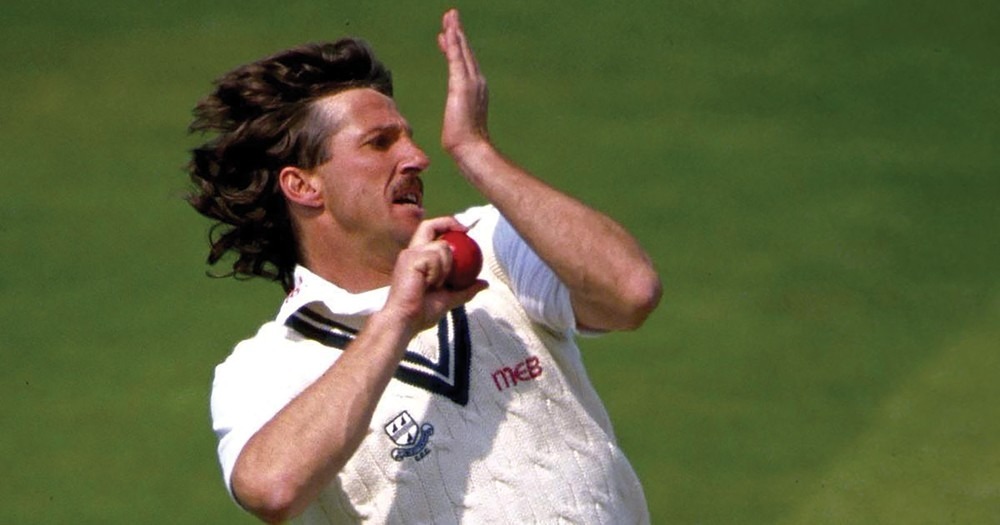
Source: Pattya Trader
Sir Ian Botham was one of England’s most influential all rounders, combining aggressive middle order batting with effective fast medium bowling. He scored 5,200 Test runs and took 383 wickets, frequently producing performances that changed the direction of a match.
Botham reached a historical peak rating of 645 points in 1980. His performances during the 1981 Ashes series remain among the most celebrated achievements in English cricket, earning the series a lasting connection with his name.
3. Jacques Kallis
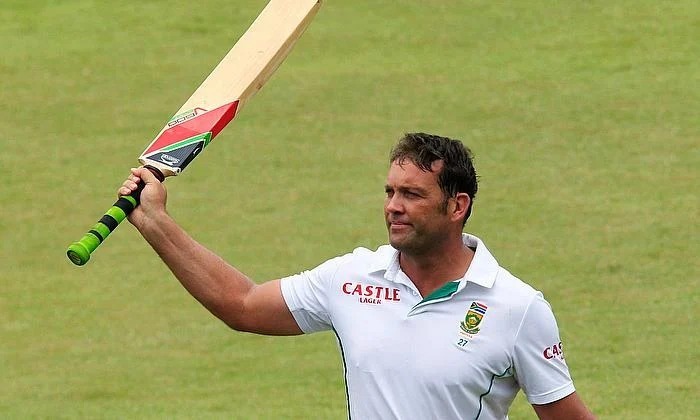
Source: Cricket World
Jacques Kallis was one of South Africa’s most consistent all rounders, combining technically sound batting with reliable seam bowling. He scored 13,289 runs and took 292 wickets in 166 Test matches, demonstrating outstanding performance over an extended international career.
Kallis achieved a historical ICC Test all rounder peak rating of 615 points in 2002. His longevity, 45 Test centuries, and contributions across international formats make him a leading contender in debates about the most complete modern cricketer.
4. Keith Miller
Keith Miller was an Australian all rounder celebrated for his attacking batting and fast bowling. He played 55 Test matches, scored 2,958 runs, and claimed 170 wickets, becoming a key figure in Australian cricket during the post war era.
Miller reached a historical peak rating of 572 points in 1952. His competitive spirit and ability to influence matches with both bat and ball established his reputation as one of the finest all rounders of his generation.
5. Richie Benaud
Richie Benaud was an accomplished Australian leg spinner, useful lower order batter, and respected captain. His bowling control and tactical intelligence helped Australia maintain a strong position in international Test cricket during the 1950s and early 1960s.
Benaud achieved a historical peak rating of 532 points in 1959. After retiring as a player, he became one of cricket’s most recognised commentators, contributing to the sport through his analysis and understanding of the game.
6. Imran Khan
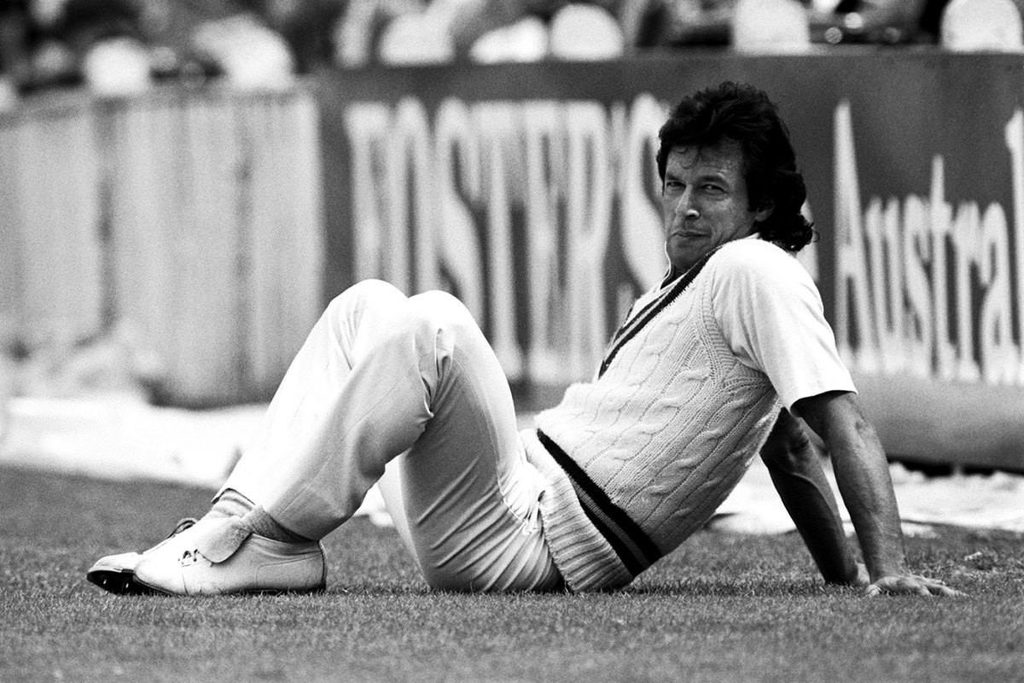
Source: The Cricket Monthly
Imran Khan was a leading Pakistan all rounder who combined fast bowling with dependable middle order batting. He finished his Test career with 3,807 runs and 362 wickets in 88 matches, while also becoming one of the most influential captains in Pakistan’s cricket history.
His historical ICC Test all rounder peak rating reached 517 points in 1983. Imran’s leadership, bowling ability, and capacity to perform under pressure made him an important figure in Pakistan’s rise as a competitive international side.
7. Tony Greig
Tony Greig represented England as a batting all rounder and medium fast bowler. He scored 3,599 Test runs and claimed 141 wickets in 58 matches, providing balance to the team through his contributions in both disciplines.
Greig achieved a historical peak rating of 508 points in 1975. His competitive approach, batting ability, and useful bowling made him an influential player during England’s international campaigns in the 1970s.
8. Andrew Flintoff

Source: Sky Sports
Andrew Flintoff was one of England’s most celebrated modern all rounders. He scored 3,845 Test runs and took 226 wickets in 79 matches, combining powerful batting with fast bowling that could trouble even established top order players.
Flintoff reached a historical peak rating of 501 points in 2005. His outstanding performances during the 2005 Ashes helped define his career and made him a central figure in one of England’s most memorable Test series.
9. Aubrey Faulkner
Aubrey Faulkner was a South African all rounder who played during the early development of international Test cricket. He was known for his leg spin bowling and strong batting, making valuable contributions in an era when specialist all rounders were uncommon.
Faulkner reached a historical peak rating of 501 points in 1911. His position in the all-time rankings recognises his achievements and his influence on South African cricket during its formative international years.
10. Chris Cairns
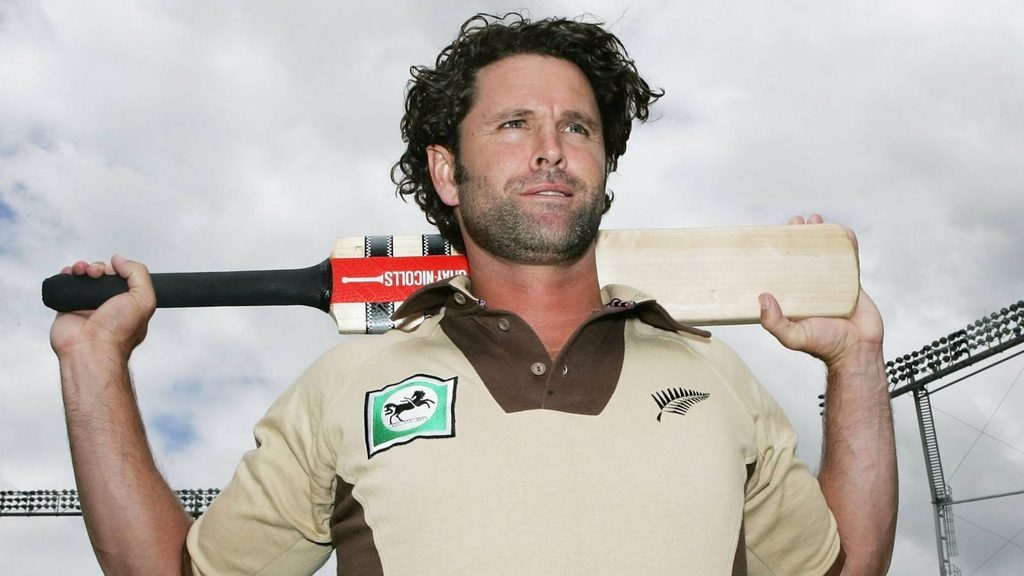
Source: Sky Sports
Chris Cairns was a New Zealand all rounder known for aggressive batting and effective seam bowling. He scored 3,320 Test runs and took 218 wickets in 62 matches, providing New Zealand with a valuable combination of power and wicket taking ability.
Cairns reached a historical peak rating of 500 points in 2000. His ability to accelerate the scoring rate and deliver important bowling spells made him one of New Zealand’s notable all rounders during his playing career.
Sir Garfield Sobers vs Jacques Kallis: Who Was Better?
Sir Garfield Sobers and Jacques Kallis are two of the strongest candidates for the title of the greatest all rounder in cricket history. Sobers is renowned for his versatility and higher Test batting average, while Kallis is celebrated for his extraordinary longevity, run scoring, and consistent seam bowling.
| Comparison | Sir Garfield Sobers | Jacques Kallis |
| Country | West Indies | South Africa |
| Test Matches | 93 | 166 |
| Test Runs | 8,032 | 13,289 |
| Test Batting Average | 57.78 | 55.37 |
| Test Centuries | 26 | 45 |
| Test Wickets | 235 | 292 |
| Highest Historical ICC Peak Rating | 669 | 615 |
| Main Strength | Versatility with bat and ball | Consistency and longevity |
| Era | 1954 to 1974 | 1995 to 2013 |
Who Was Better?
Sobers has the stronger case for the greatest all rounder in history because of his higher Test batting average, ability to bowl multiple styles, and superior historical ICC peak rating. Kallis, however, played significantly more Test matches and recorded higher totals for runs, centuries, and wickets.
The choice ultimately depends on the criteria. Sobers leads when versatility and historical peak performance are prioritised, while Kallis stands out for longevity and sustained statistical output. Overall, Sobers remains the leading choice for the title of the greatest all rounder in cricket history.
Who Is the Best All Rounder Right Now?
As of 13 October 2026, Ravindra Jadeja holds the No. 1 position in the ICC Men’s Test all rounder rankings, with 422 rating points. His left arm spin, dependable batting, and excellent fielding make him a valuable member of India’s Test team.
Jadeja’s current ranking is different from the historical all time list, which measures players’ highest career peak ratings. Sobers remains the leader of that historical ranking, while Jadeja’s position reflects the latest available ICC Test all rounder standings.
What Makes a Great Cricket All Rounder?
A great cricket all rounder contributes consistently with both bat and ball. The player must be capable of strengthening the batting order, taking important wickets, and adapting to different match situations rather than relying on just one skill.
Consistency, versatility, fitness, fielding, and performances under pressure also matter. Career statistics and historical rating systems help compare players, but their overall impact on the team is equally important when assessing their legacy.
FAQs
Sir Garfield Sobers is widely regarded as the greatest all rounder in cricket history. His 8,032 Test runs, 235 wickets, and historical peak rating of 669 points support his standing.
Sir Garfield Sobers holds the highest historical peak rating in this ranking, with 669 points achieved against India in 1967.
Kallis has stronger career totals for Test runs, centuries, and wickets, while Sobers has a higher batting average and historical peak rating. Sobers is generally the leading choice for overall all round versatility.
Ravindra Jadeja holds the No. 1 position in the ICC Men’s Test all rounder rankings dated 13 October 2026, with 422 points.
Historical peak ratings represent the highest rating a player achieved during their career. Current rankings reflect players’ ratings at a particular date and change as new matches are played.
Jacques Kallis leads this group with 13,289 Test runs, followed by Sir Garfield Sobers with 8,032 runs.
Conclusion
Sir Garfield Sobers remains the strongest choice for the title of the greatest all rounder in cricket history. His remarkable batting average, 235 Test wickets, versatile bowling, and historical peak rating of 669 points distinguish him from other legendary players.
Jacques Kallis, Ian Botham, Keith Miller, and Imran Khan also made outstanding contributions to the sport. In modern Test cricket, Ravindra Jadeja’s current No. 1 ranking demonstrates the continuing importance of all rounders. The distinction is clear: Sobers leads the historical peak ratings, while Jadeja currently leads the ICC Men’s Test all-rounder rankings.